Age is a very weird, twisty thing.
I turned 30 a couple of weeks ago, and I launched this blog around the tail-end of 29. That’s why a lot of the themes I’ve talked about so far have to do with age and life experiences, with a sprinkling of existentialism because why the hell not.
One of my cherished hobbies is to blindside unsuspecting people with this question: How old are you in your head?
When doing some reading for this essay, I learned that it’s a concept called subjective age. How old someone is in their mind. Not how old they feel, but how old they truly think they are before they need a little reality check (or document check).
The responses I get from people are generally pretty diverse, with a noteworthy preference: most people perceive themselves as younger than their biological age. This ‘age gap’ so to speak, varies more dramatically as people get older. I remember asking my 90-year-old grandfather this question a couple of years ago, and without batting an eyelid, he told me he was in his forties.
I wasn’t in the least bit startled at the fact that his mind operates like he’s fifty years younger than his actual age because I’ve seen it. It’s both remarkable and inspiring to me.
Up until I turned 30, I’ve pretty much always felt my age. Maybe a year or so younger, but rarely has there been any astounding difference between the age I am in my mind and the age I am in my body.
Why do we even know the answer to this?
What I find cool is how immediately and readily people are able to answer this very abstract question. I’ve never had to explain the context. I’ve never had to clarify what I mean. People almost always have an answer within seconds.
It’s puzzling to me that age is one of those changing, yet unchangeable aspects of ourselves, much like our height or skin color but it’s not as if we’re walking around asking each other, “What’s your mental shoe size? Are you feeling a size 9 today?” or “In your heart of hearts, are you vibing more like a brown-eyed or a blue-eyed dude?”
Clearly, our relationship with our age is a different beast altogether, with a mind of its own.
When I found out about the term subjective aging, I also found a host of scientific studies on the subject, each more boring than the one before. Most of them had the basic premise: If you feel older than your actual age, you’re probably less healthy too and you’re gonna die very soon tick tock tick tock (Follow me for more joyfully uplifting interpretations of scientific research).
The only outlier was a study from 2006, conducted in Denmark, a place where the data is so clean and pristine that you can almost taste it. The researchers found a few interesting things. First, adults over 40 perceived themselves to be approximately 20 percent younger than their actual age.
Secondly, the research uncovered that the magical fulcrum of age perception is 25 years old. Meaning, respondents younger than 25 feel older, and those older feel younger. That’s probably why many people I know (myself included) have had some colorful meltdowns on their 25th birthday.
Age is weird, memory is weirder still
Youth plays some powerful tricks on us. Adolescence and young adulthood are particularly potent periods of our lives. It’s like your brain is extra spongy and your senses are extra sensy. Everything is a first. Everything is dramatic, exciting, and heady. Feelings are intense, all the time. About everything. There’s a lot of angst.
Because we feel everything so much stronger and harder, these memories seem to occupy the penthouse suite of our minds. It’s a phenomenon called the reminiscence bump. It’s why your favorite go-to playlist will always have songs from that period of your life. Millennial jams, anyone?
I suspect that because the period of young adulthood leaves such a heavy print on our minds and hearts, we tend to associate ourselves more closely with that age. In all likelihood, as a 33-year-old, you’ll say you feel 25 in your head.
But if I were to make you spend an hour with an actual real-life, anxiety-riddled, confused, angsty-as-heck 25-year-old, you’d rethink your answer.
The eternal question of relevance
Older people that view themselves as a LOT younger tend to maintain a sense of usefulness. They see themselves as always contributing, helping out, and doing something. They’re usually still heavily involved in work, the lives of their families or friends, and society in general. This gives them a sense of relevance.
But in some cases, I know of some older people that see immense value in the stuff they’ve accomplished already, and therefore don’t mind the age part of aging. They talk about the businesses they’ve started, the people they befriended, the stuff they did in their younger years, or the stuff they helped their kids do, and the impact they had. They wear their accomplishments as a badge of honor. And this gives them a sense of relevance too.
The question of which outlook reigns supreme is moot. I’m guessing for most, it’ll end up being a delicate dance between being comfortable with what you’ve accomplished so far and confident that you have plenty more to offer.
36 will be the happiest year of your life
If I had to ask you what your favorite age has been so far, what would you answer? Would you happily say, the age you are right now? Or would you go back to a more carefree time?
I’m trying to answer this question for myself but I can’t be objective.
I often find comfort in the past because it’s a known entity. It’s safe, predictable, and already etched in the annals of my brain. Plus we’re coming out of a pandemic that sort of stole three years of my prime hot-girl season. AND I’m currently in the thick of baby-rearing but if I had to answer, I’d say my favorite age was 27.
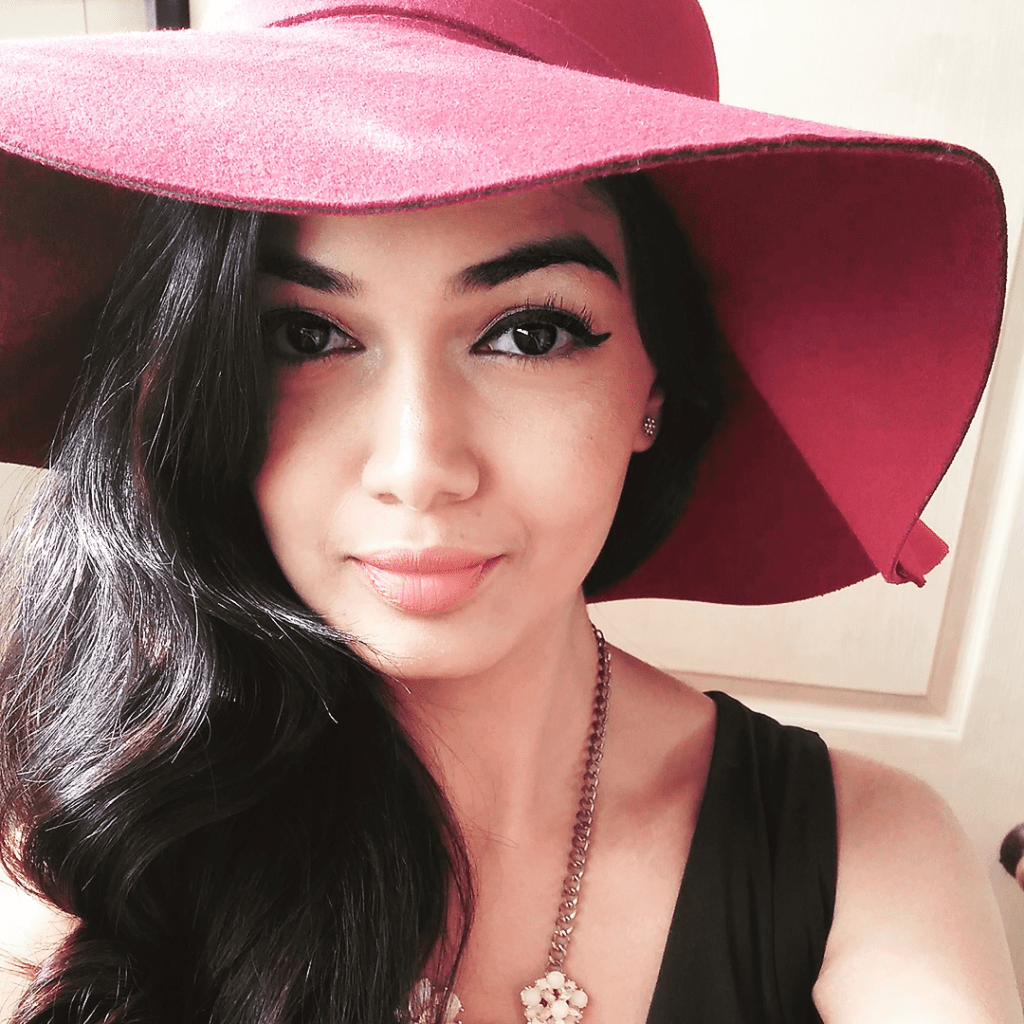
I felt like I was young enough to make mistakes, but old enough to make mistakes that were slightly less stupid than my teens and early twenties.
I have an additional theory for why my favorite age is 27, and not the age I am currently. I think it’s because the pandemic disrupted the natural progression of subjective age. Meaning, it completely altered time as we know it.
I know many people don’t count the pandemic years when disclosing their age because they feel like they haven’t gained enough life experiences to justify another candle on their birthday cake.
I know this can’t possibly be the case for me because in the three years of the pandemic, I moved cities, bought a house, helped start a business, and had a baby. I think that’s definitely enough life events to justify a few extra candles. So why is my favorite age still 27? I don’t know yet.
What gives me some comfort as I turn thirty (a whole 1095 days past my favorite age) is this:
36 is your happiest year, according to science!
In multiple surveys across the US, Germany, and the UK, respondents say 36 is the happiest/best overall age to be. Or mid-thirties basically.
This makes me feel somewhat optimistic, it’s like evidence that my happiest years are ahead of me. But what if you’re reading this and you’re past the age of 36? Do you agree that your mid-thirties were your happiest time?
I like to think of happy memories as cumulative. The more of them you collect and hold on to, the more satisfied you are. I might be wrong, but I’d like to keep my delusions. That’s the only way I’ll be a happy 80-year-old.
The saga of the eyebrows
My all-time favorite YouTube channel is VSauce. In one of their videos called ‘Did People Used to Look Older’, the host, Michael, unpacks this incredible concept that I will never ever ever ever forget: Back in the day, people used to look older than their actual age.
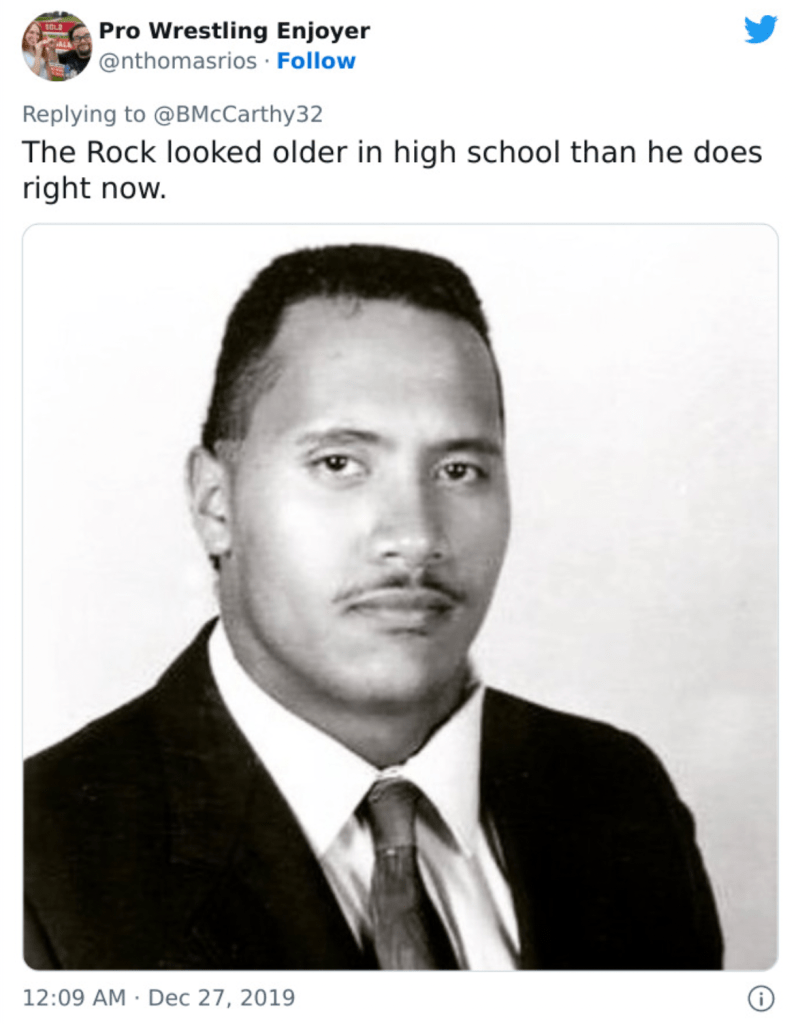
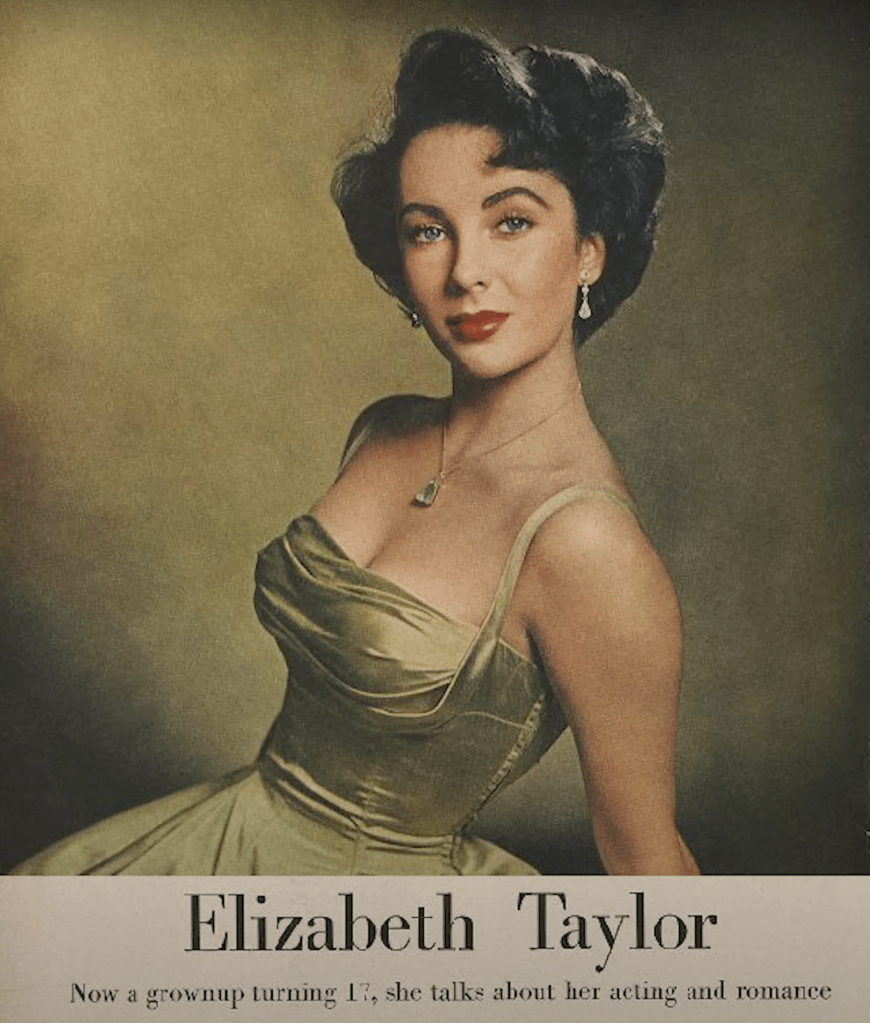
Here’s why we think people look older than their actual age when we look at pictures from when they were young:
Every generation has certain defining characteristics, from their slang, eating habits, style of dressing, hairstyles, makeup, beauty standards overall, and their general worldview. I wrote about some Gen Z and millennial traits, but here’s an example: From the late 80s till the 2000s, it was cool to have thin eyebrows.
So naturally, ladies who were coming of age at the time jumped on board the trend of thin, elegant eyebrows. And as they got older, they probably continued to do their brows that way. That’s why you’ll know many women in their 50s with thin, beautifully arched eyebrows.
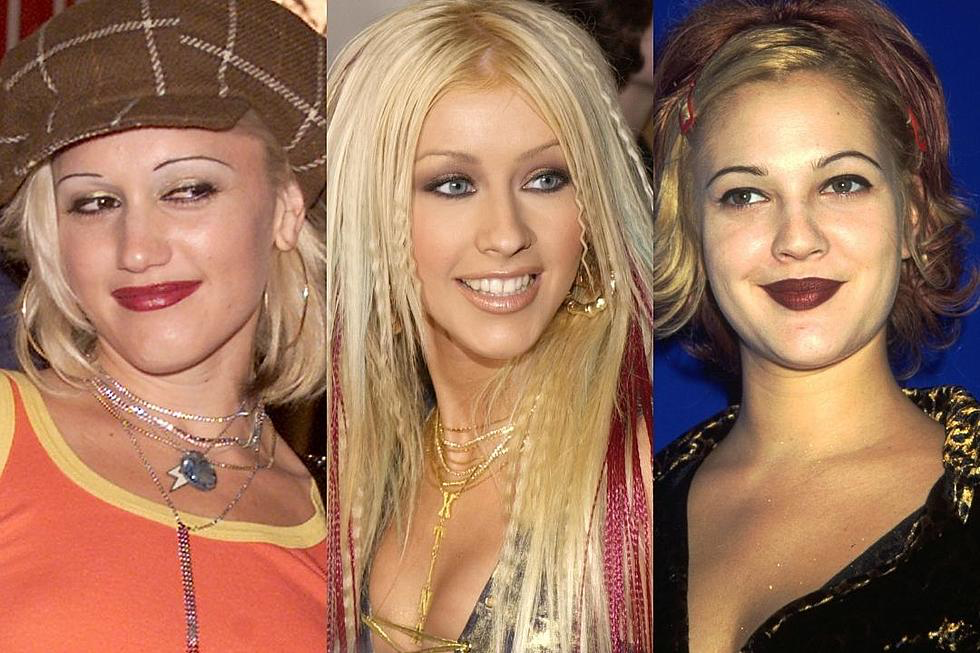
But come 2010 and Instagram’s roaring mantra became all about heavy, thick brows. People born in the 90s and 00s began getting their brows filled up. Overplucking became a punishable offence in nearly every state in America.
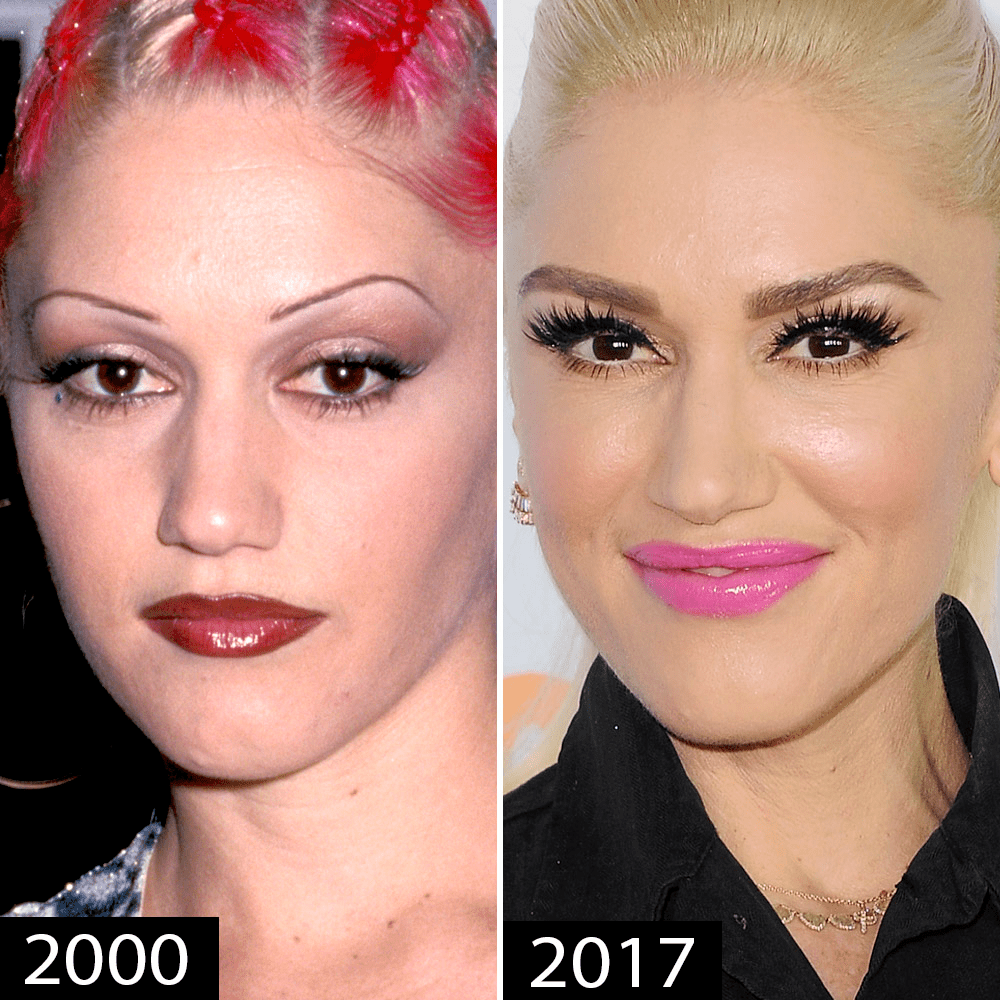
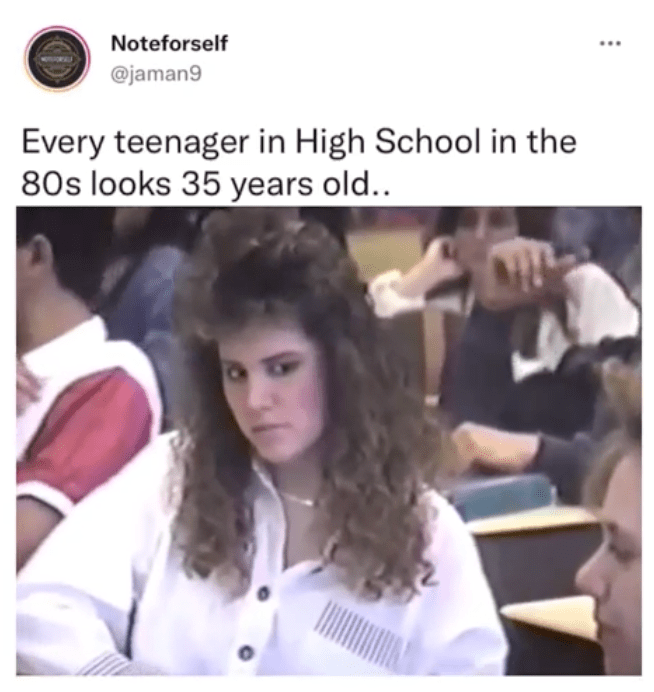
So now, when we encounter these elusive thin eyebrows in the wild today, our minds leap to the conclusion of older age. That’s why when we see pictures of 18-year-olds from the 80s sporting thin eyebrows, and we’re left wondering why they look so mature.
You decide when to get off the trendmill
We all grow up with a certain set of these superficial traits that tend to stick with us throughout the ages and become the definition of “old” as we grow old.
The takeaway here is that people keep up with trends when they’re young, but at some point in their lives, they decide to get off the trend treadmill. The trendmill, if you will. It’s like we settle on a version of ourselves based on the influence around us, and decide to immortalize it.
We say, okay I’m good. I like this version of myself. It’s cool and hip and I’d like to live this way forever. I like these bell-bottom jeans. I like my Princess Diana hairstyle. I like these pencil skirts. I love listening to Cher. I like saying ‘eXcUsé möi’ instead of excuse me. I like blue eyeshadow and lipliner. This is my stop, I’m getting off here.
And as time marches on, and trends change, as jeans go from low waist to high waist to baggy to boyfriend jeans to ex-boyfriend jeans to we-need-to-talk jeans. As pouty lips come in and then go back out. As ideal body types go from heroin-chicc to bootylicious to whatever the heck is in now – what was once a young person thing will eventually become an old person thing.
I find this incredibly fascinating because it means that technically YOU decide how long you want to keep keeping up. You can choose the superficial characteristics that you’d like to carry with you as you get older, you don’t have to stick to what was cool when you were young.
I hated wearing skinny jeans, but I wore the skinniest of jean imaginable because in my teens, I cared deeply about being cool. Now, as a thirty year old, I care only slightly less about being cool but guess what – the jean-gods have voted in my favor and baggy is in! They look so much better on my frame, and I AM HERE FOR IT.
What I don’t want is to become a person who clings to their youth’s artifacts – the music, the culture, the styles – so firmly that I ignore the fascinating, beautiful, ever-evolving present. This is part of the reason why I care so much about pop culture and random internet nonsense.
I feel like the discussion is, and always will be relevant to me. As it evolves, I have the option to evolve with it too, and choose the parts I like. I personally find it lazy to just check yourself out and say ‘I’m done here.’
The person muttering, ‘Coldplay is the greatest band ever. Today’s music sucks’ is only a few steps away from becoming the grumpy grandpa complaining about ‘KiDs tHesE dAyS –’
I just don’t want to be that person. Not anytime soon.
There’s nothing wrong with a fondness for nostalgia, but to dismiss the present culture is to ignore the fact that every era has its merits. We risk turning a blind eye to the progress of the world around us, missing out on new, exciting things that are happening, and ending up as the stereotypical old person, stuck in their ways.
I’m not here to hurl judgment at those who choose to step off the trendmill early. I know my day will come. And as appealing as it might seem, being a groovy grandma busting TikTok moves might not be my jam after all. I’m aware of the irony.
Here’s my sad truth: I just haven’t made my peace with time yet. I don’t know if I’m alone in feeling this way or not. Conventional wisdom might say that viewing yourself as eternally youthful is a stupid denial of reality. But, I’d argue that sometimes it’s a toast to optimism. It affirms your potential to give and to grow. It’s a straight up refusal to be cataloged as obsolete.
My idea for now is not about trying to keep up or being forever young. It’s about remaining engaged, appreciative and above all, curious. Eyebrows and all.


Leave a reply to Valencia Aguiar Cancel reply