
Two weeks ago, I wasn’t sure whether this was worth writing about. With so little time to write apart from work and life in general, was it worth unpacking? The subject in question: ‘It Ends With Us.’ The book, the movie, the idiotic PR tour, and the helpful reminders about celebrity culture. There has already been a ton of discourse about it.
But the topic continued to simmer in the back of my mind. We were walking around Hanoi on a Sunday evening, and after some grocery shopping for instant noodles, we stumbled upon a tiny, stylish wine bar down a little alley.
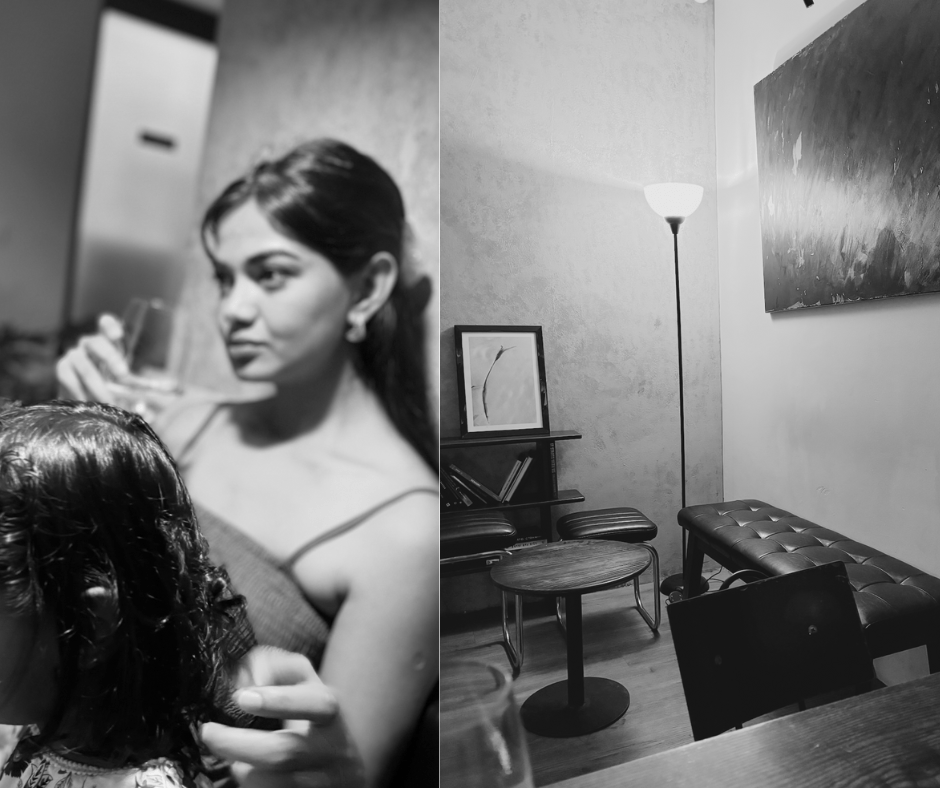
As Kyle and I sipped our red wine and chatted about life, I noticed a bookshelf by the door and there it was –

It Ends With Us, the second book in the pile. What a weird coincidence. Or maybe not, since it is apparently a best seller. I opened the book, and immediately snapped to attention.
Someone had written a note. A very brief, very personal note about how they found the courage to leave. The raw emotion in that short message was pretty intense, especially in contrast to my otherwise chill evening. I felt nervous holding that page. It became clear that this book, which I knew little about, clearly meant something to some people.

The entire subject sits at the crossroads of what I currently enjoy contemplating – modern life, pop culture, internet culture, and values. So that’s MY backstory.
Now let’s get into the story’s back story.
In 2019, Colleen Hoover published ‘It Ends With Us’, a novel that would later gain massive popularity through TikTok’s book community, known as BookTok. I think that happened some time during the pandemic.
The story revolves around a lady who owns a flower shop (her name is Lily Blossom Bloom – like for real) and is in an abusive relationship. The book tackles themes of domestic violence and generational cycles of abuse.
But just because the book is famous and went viral, that doesn’t necessarily equate to literary merit (read: it’s a badly written book with poor handling of sensitive topics.) BUT – bad art can still be meaningful. For all its shortcomings, it has managed to resonate deeply with a segment of readers.
It’s usually not the quality of the art but the accessibility of its message that gets👏the👏people👏going.
So they decided to make a movie based on it. It was slated to be the movie of summer 2024.
The promotion was doomed from the start
Big movies love big promotions. Take last year’s Barbie for example. They spent more on marketing the movie than it actually took to make the movie ($150 million on marketing) and if that sounds insane, please know that it isn’t. The Barbie movie made the entire amount back in the first weekend alone. All that pink was inescapable.
Oppenheimer, which was the other movie of summer 2023 had an even larger marketing budget than Barbie.
That was last year. This year, people have been talking about ‘It Ends With Us’. Most TikTokless people like me didn’t know about the book but were still interested in it because of Blake Lively. This was her first role in god knows how long. Blake Lively is Taylor Swift’s bestie. She’s a mum of four whole children that she birthed herself (this is unusual in Hollywood). She’s sort of the queen of the MET Gala, and also she’s Ryan Reynolds’ wife.
Which is why the news of the movie promos backfiring caught my attention. What did they do wrong? Turns out, pretty much everything. Mainly with Blake Lively at forefront of it. While the director, Justin Baldoni, seemed to highlight issues of intimate partner violence and used interviews to talk about more nuanced and serious stuff, Blake Lively’s approach was jarringly different.
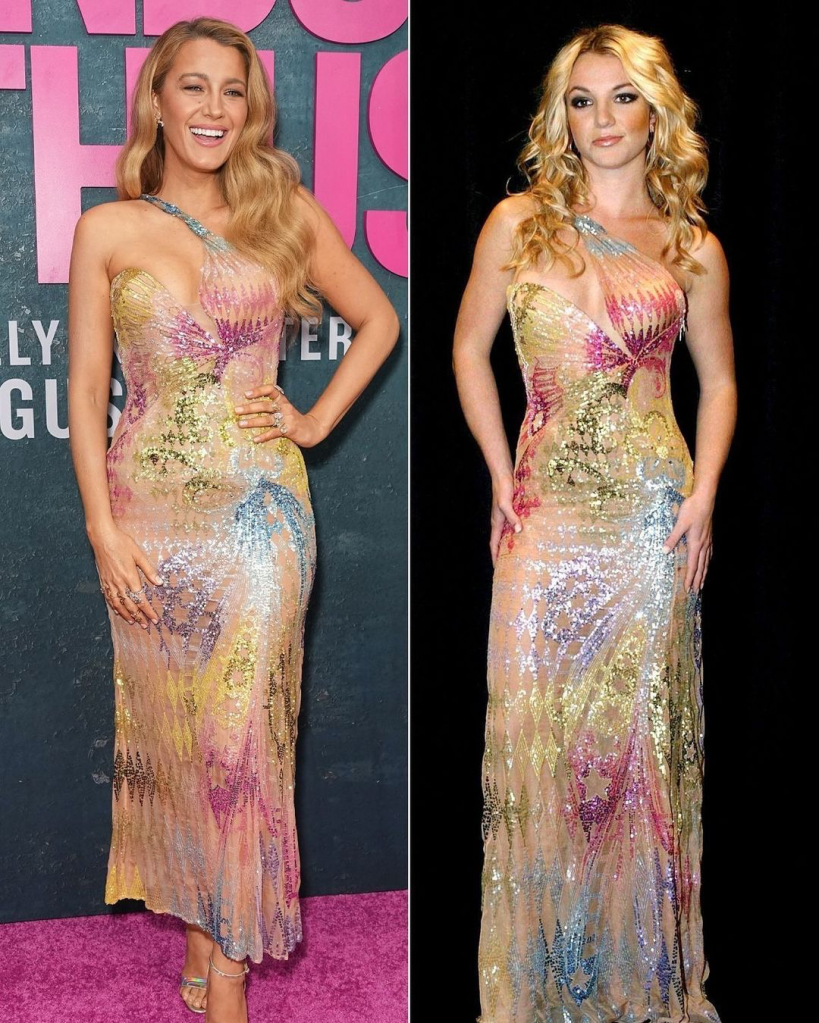
It started very subtly. Wow, here’s Blake Lively wearing Britney Spears’ iconic Versace dress.
Then came the barrage of really, really weird content.
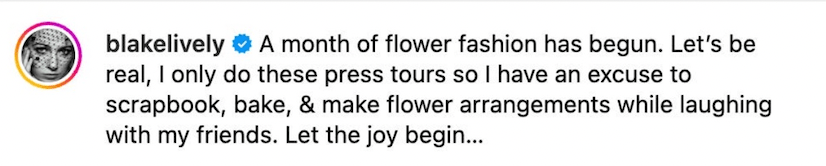

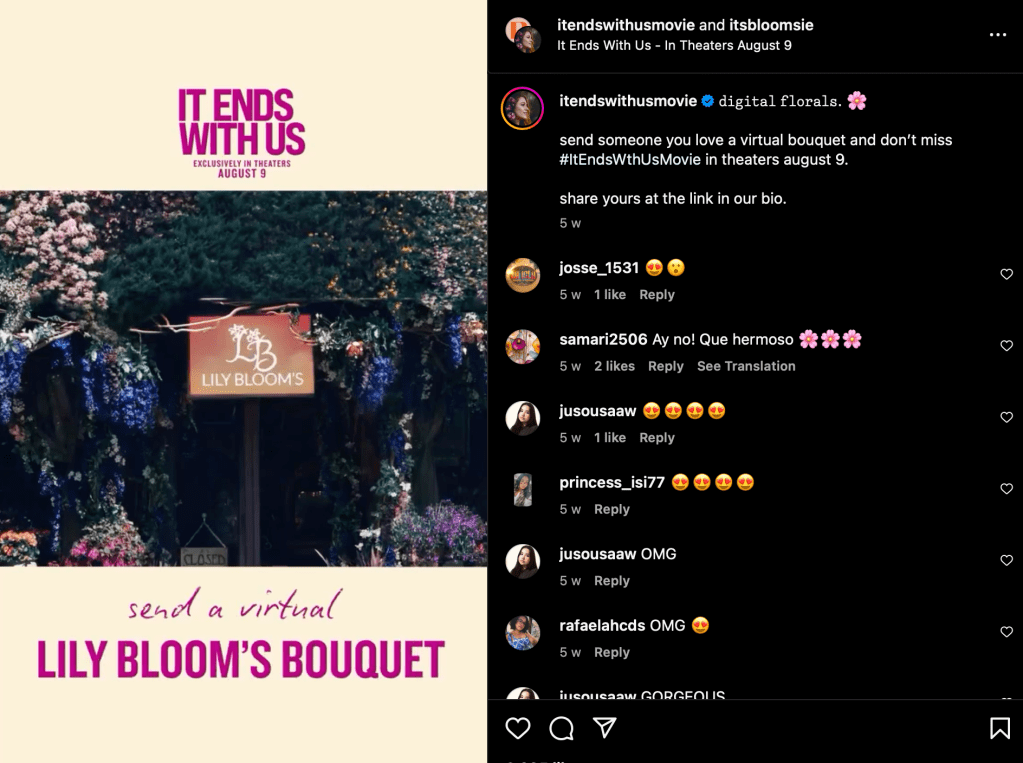
What, omg there are surprise pop-up flower shops opening around the city? (really?) And we have to play a dumb guessing game in the caption to guess where they’re popping up next? Girlie what a trip you’re taking us on!!! Because nothing says “let’s talk about intimate partner violence” like a cutesy word game to guess where the next batch of roses will appear.

The promotional content was literally everything I hate about the current hyper-feminized marketing trend. Sure, it was cute for about five minutes last year with the whole ‘let the girls have their moment, bows on everything, we’re so unserious.’
My complaint with the incessant girlification of things isn’t that it’s annoying, the annoying part is that it’s reductive. It risks presenting womanhood as a one-dimensional caricature, all giggle and no substance. Sometimes I wonder if these 20 to 40-year-old women swapped “girl” for “woman” in their vernacular, would they approach this subject with the gravitas it deserves? Or has the infantilization of adult women become so pervasive that even domestic violence gets the “teehee” treatment?
Before you think I’m some woman hater, please know that my issue isn’t with their approach – I think it’s dumb to apply their approach to this movie. In a world teeming with cute stories begging to be told, where literally any other narrative could have justified this cotton-candy marketing approach, they chose a story about intimate partner violence.

Then came Blake Lively telling us to “Grab your friends, wear your florals, and head out to see it” (Reminder: see it, in this case was to watch a movie about a woman being physically abused by her partner.)
This whole nightmare reached its peak when, in a super weird move, she used the film as a launchpad for her personal brands. Blake launched her hair care brand that same week, and Betty Booze alcohol featured prominently in all the movie promos, as if domestic abuse and alcohol abuse aren’t deeply connected.
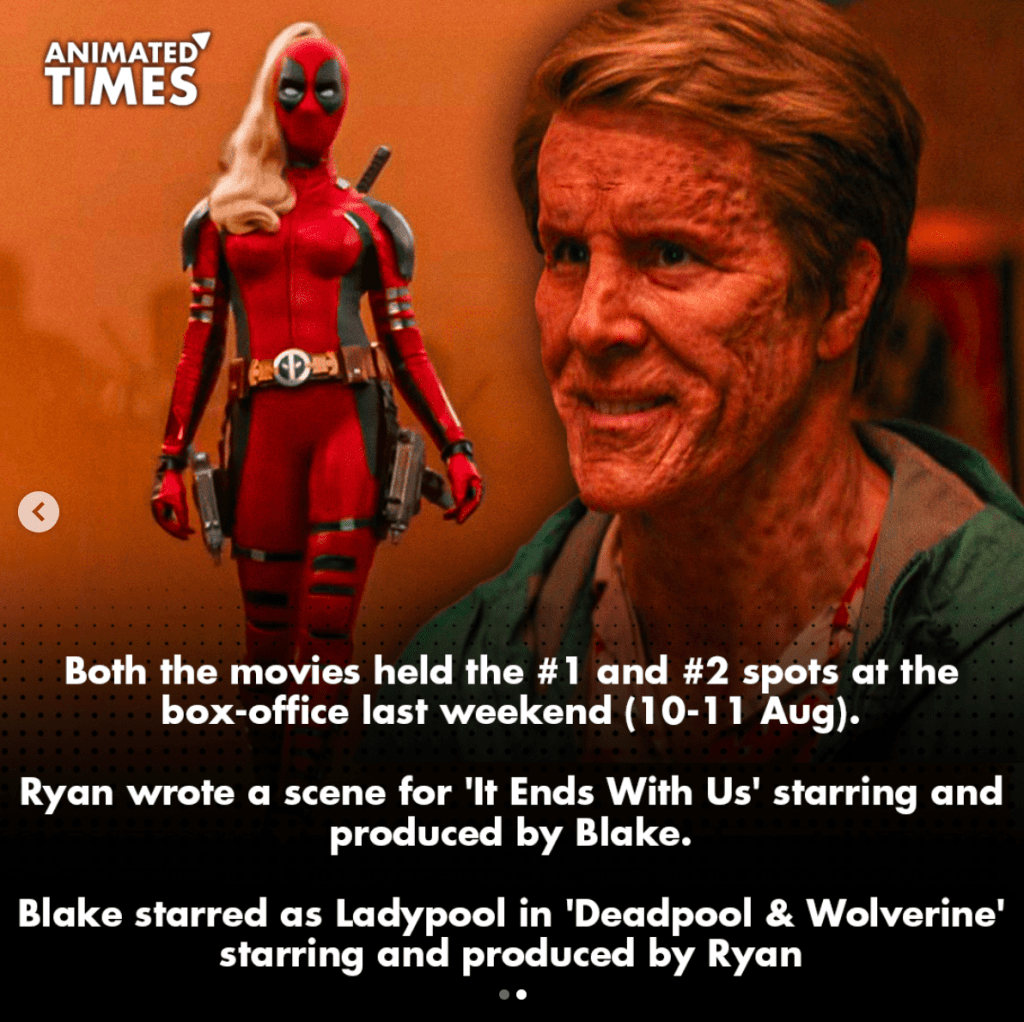
And somehow, her husband Ryan Reynolds’ latest Deadpool movie got tangled up in all of this too, with Hugh Jackman showing up to events and the three of them – Blake, Ryan, and Hugh – playing up their sassy and funny dynamic.
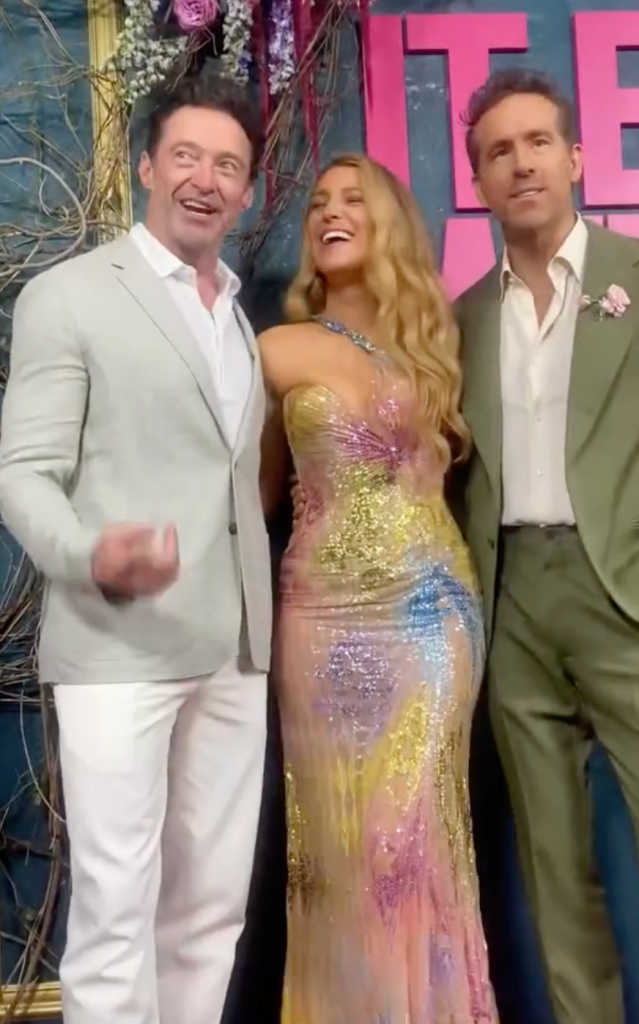

And somehow, it gets even worse. Ryan took the opportunity to interview Blake’s love interest in the movie – and he tried to play-up the controlling husband in a jokey way – in a film about an abusive, controlling husband – the real-life husband shows up and does this – but in like a funny way.
You couldn’t make this stuff up if you tried.
It reminded me of high school group projects, where the popular kids somehow make everything about themselves and seem to have so much fun while ruining everything and everyone else gets sidelined and suddenly it’s the Blake-and-Ryan show. (yes, I’m still wounded and salty, this comparison clearly comes from a place of personal experience.)
It’s not just that the promos missed the mark, it’s like they weren’t even aiming at the right target. They managed to strip away every ounce of gravity from the narrative. And the truly infuriating part was that for a long time, people ate it up.
Swarms of fans, particularly Swifties were thrilled to see Blake borrowing from Taylor Swift’s marketing playbook and delightfully engaged with this nonsense. Blake relied on her likable, wholesome image to coast through this press tour and while that might work for Barbie, or even for a superhero movie like Deadpool, it just didn’t work for this one. If you’re attempting to make a film about slightly nuanced issues, you need to bring more to the table than just giggles and flowers.
Or maybe you don’t. Like I said, just because something is bad, doesn’t mean it can’t also be successful. It Ends With Us might have been a crappy movie with an even worse promotional tour but it has already earned nearly 10 times more than its production budget of $25 million.
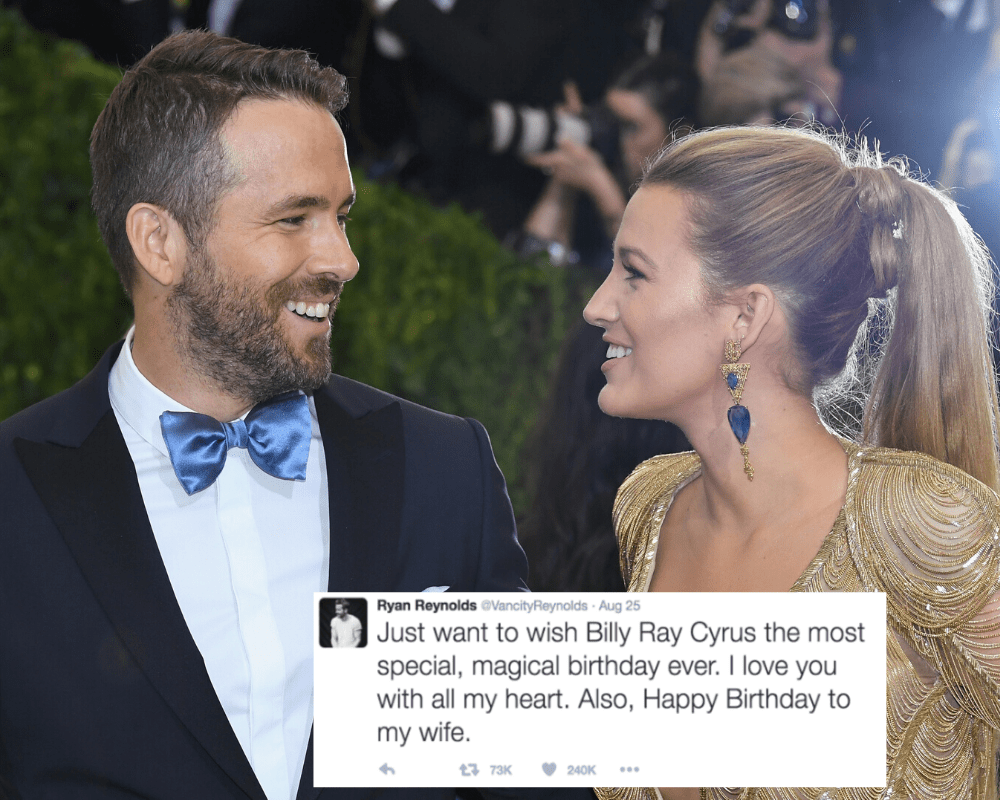
I get that the Lively-Reynolds industrial complex is at work amongst us day and night and it’s evident that they seem dead set on branding themselves as Hollywood’s power couple extraordinaire. Their carefully curated public image portrays them as an everyday family, complete with playful social media banter and self-deprecating humor.
They collaborate on each other’s work all the time (and apparently that’s part of the fun?), and put endless effort into their personal brands and businesses (Not making this up, Ryan Reynolds does actually have a marketing agency called Maximum Effort). This is not a couple simply acting in films, it’s a carefully managed conglomerate.
Anyway, enough cribbing about this. Let’s crib about something else. Their whole approach not only trivialized the movie’s content but also raised some questions. Like, do celebrities have a responsibility to treat sensitive issues with more care? Should we expect more from them when they’re promoting films that deal with important issues?
Before I get into the next section of cribbing, I’d like to clarify that I do NOT think that actors ought to become de facto experts on the issues they portray. I’m not gonna go to Reese Witherspoon for legal advice just because she played Elle Woods in Legally Blonde. We don’t see people asking for Leonardo DiCaprio to lead climate change initiatives because he was in Don’t Look Up. Bryan Cranston (the bald guy from Breaking Bad) didn’t talk about meth abuse because of his role in Breaking Bad.
Actors are professional pretenders, not subject matter experts. At best, we can expect them to use their platforms to direct attention to qualified resources, to fundraise for relevant charities, or to advocate for policy changes. That’s about it.
Okay next section of cribbing, here we go
What should we expect from celebrities?
Nothing.
Please remember this for all time.
I’ll try not to make this part sound like a rant, because it really isn’t. I’ve put a lot of thought into my stance on this, and here’s what I’ve come up with.
Celebrities are institutions, they need us to buy into them to thrive. We’re definitely part of the problem here. On one hand, we crave relatability from our stars, on the other, we’re fascinated by their excesses. We very rarely ever criticize the one thing that’s responsible for celebrities being out of touch: Their relentless, unquenchable pursuit of wealth.
I’ve developed a visual framework that will help put celebrities into perspective. Here it is. Next time you wonder how a celebrity could say something super tone-deaf and out of touch, please refer to the framework below:
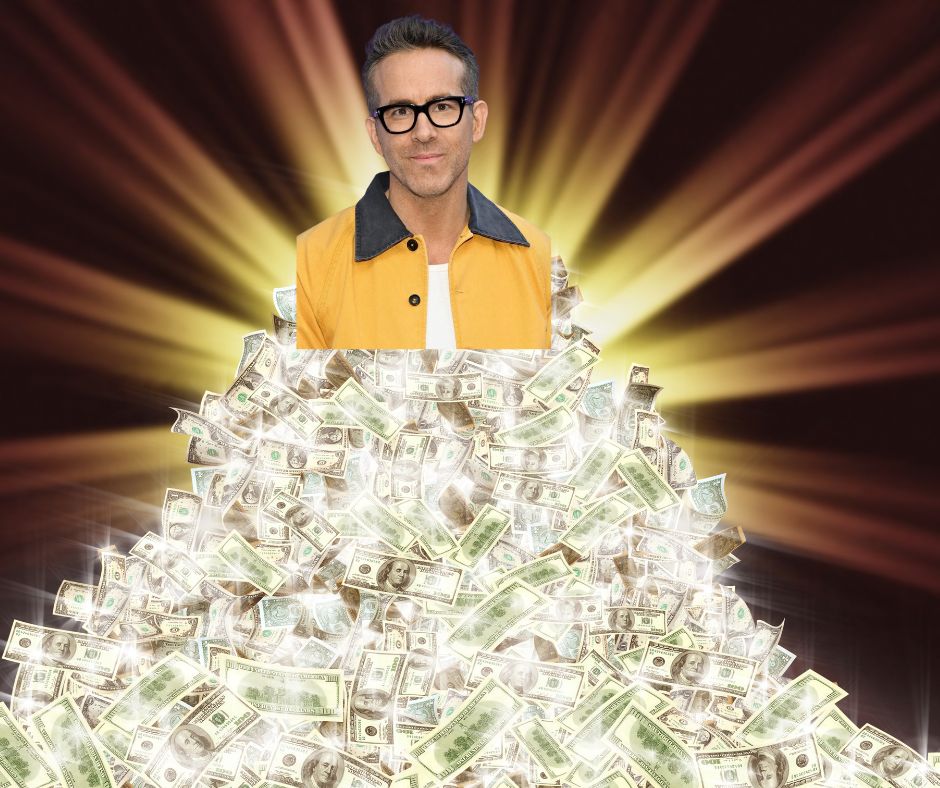
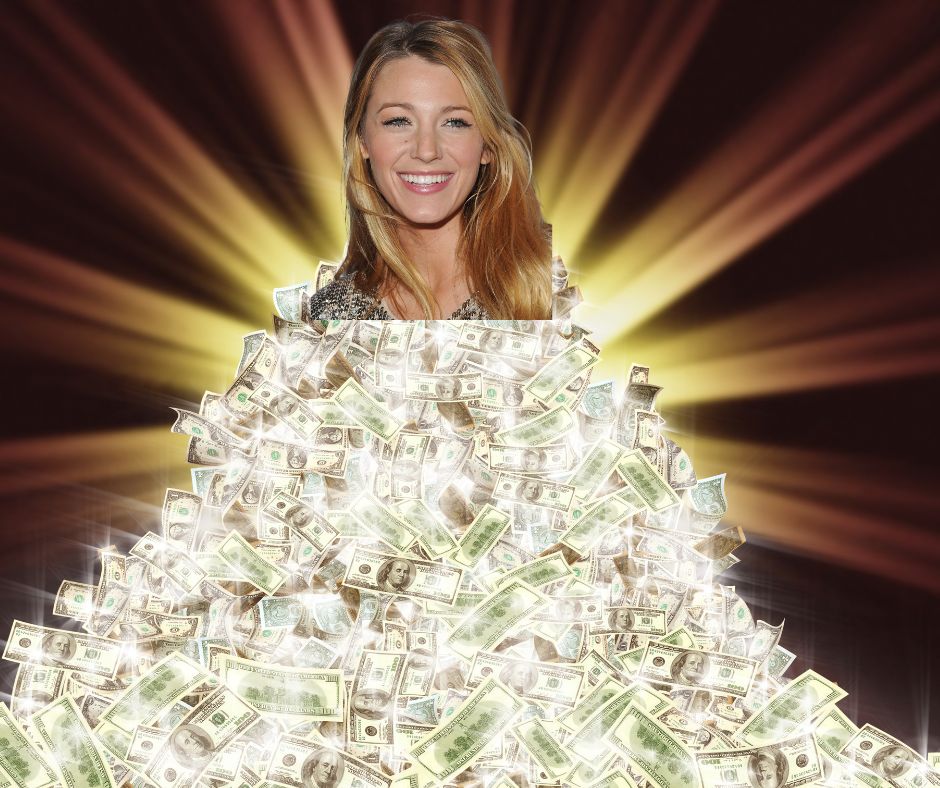
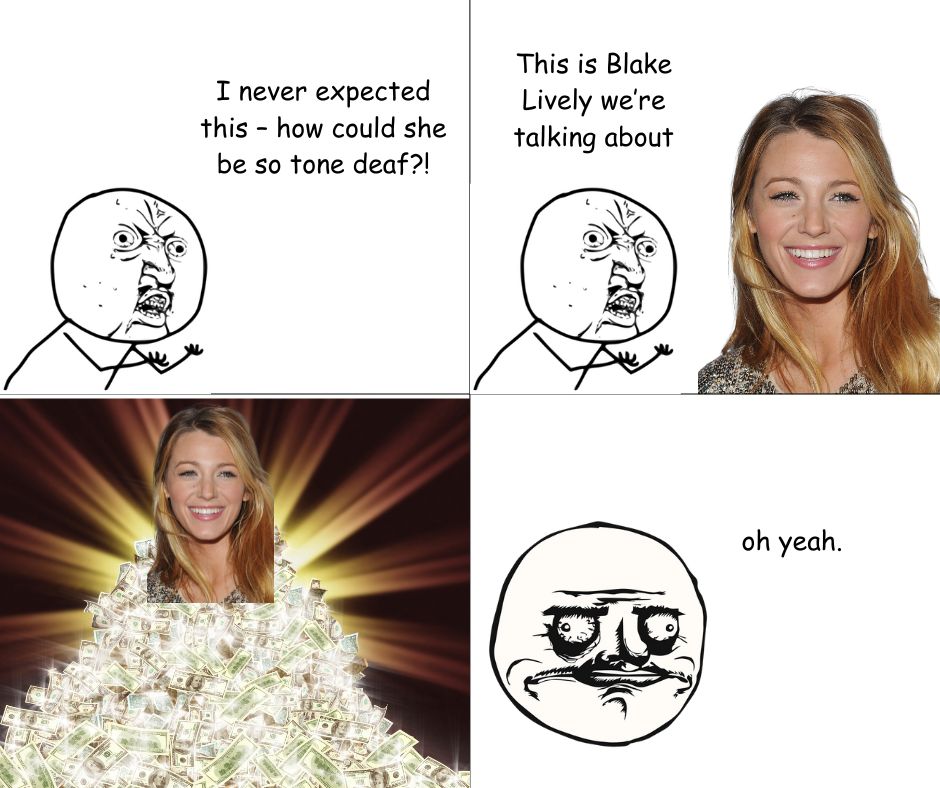
Disclaimer: I’ve chosen female celebrities because it’s less homework for me. They’re the ones I know about. Everything I’m saying here applies 3847x to male celebrities.
Okay, take Taylor Swift, for example. The paragon of the girl next door image. She has made a billion dollars off of her music, royalties, and touring alone. There was a time when artists were literally poor in their lifetime – we made this one a billionaire.
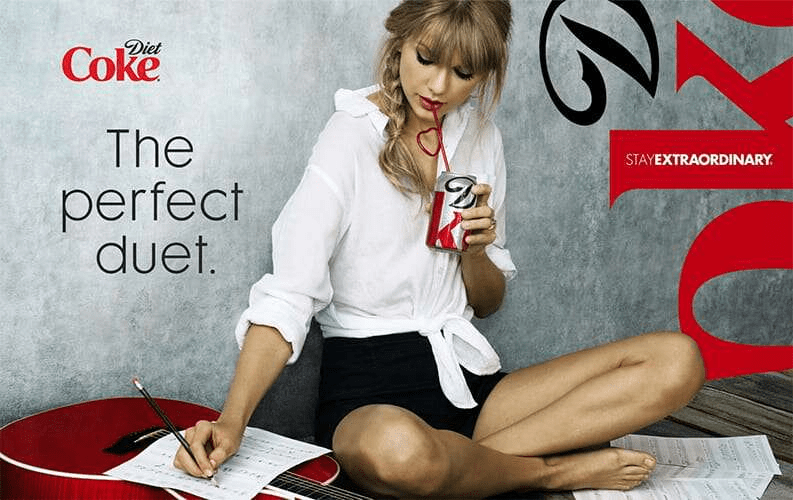
So what is the poet of our generation doing in ads for banks and soft drinks??? Have we not done enough for her?
Um – she’s making more money, that’s what she’s doing.


Even her fan base has started calling out some of this behavior with the vinyl variants of her albums. Variants are basically multiple different versions of an already-released album, either with a different cover, or one additional song, or some random thing thrown in like a hoodie.
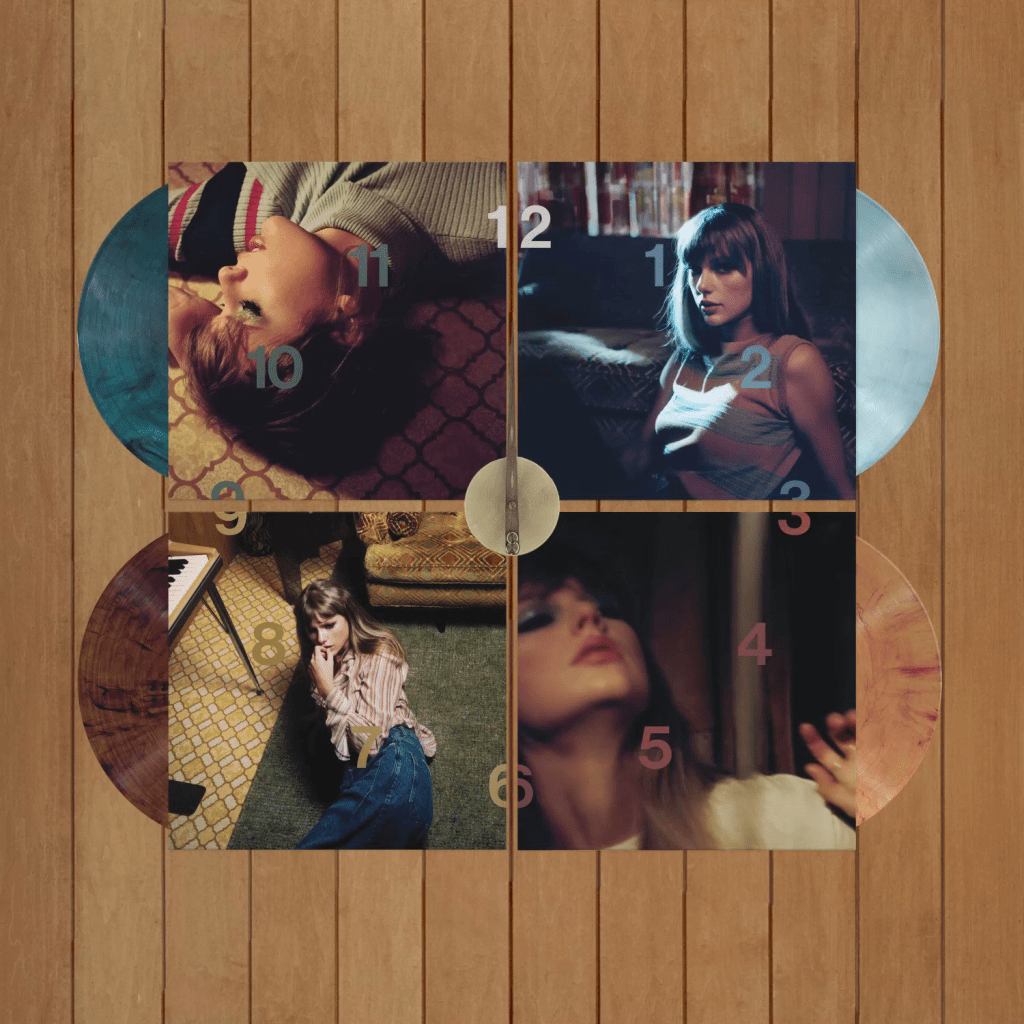
Taylor Swift’s most recent album now has a grand total of 34 versions for Swifties to part with their hard earned cash on.
We’ve become so used to celebrities endorsing products that it barely registers as noteworthy. Sabrina Carpenter partners with Skims, Timothée Chalamet becomes the “Friend of the House” at Cartier, Sydney Sweeney endorses Ford. And I haven’t even gotten started on India, with stars like Malaika Arora Khan, Akshay Kumar, Salman Khan, and Virat Kohli selling everything from Zandu balm to paan masala to laundry detergent and tires and credit cards and Harpic.
Most art and creative work these days serves as vehicles for product placement and brand endorsements. This fact ought to shape the way we consume content. Cultural movements like the ‘I’m just a girl’ification of everything, and hot girl summer and brat summer, do not exist to empower you. They exist to sell you something.
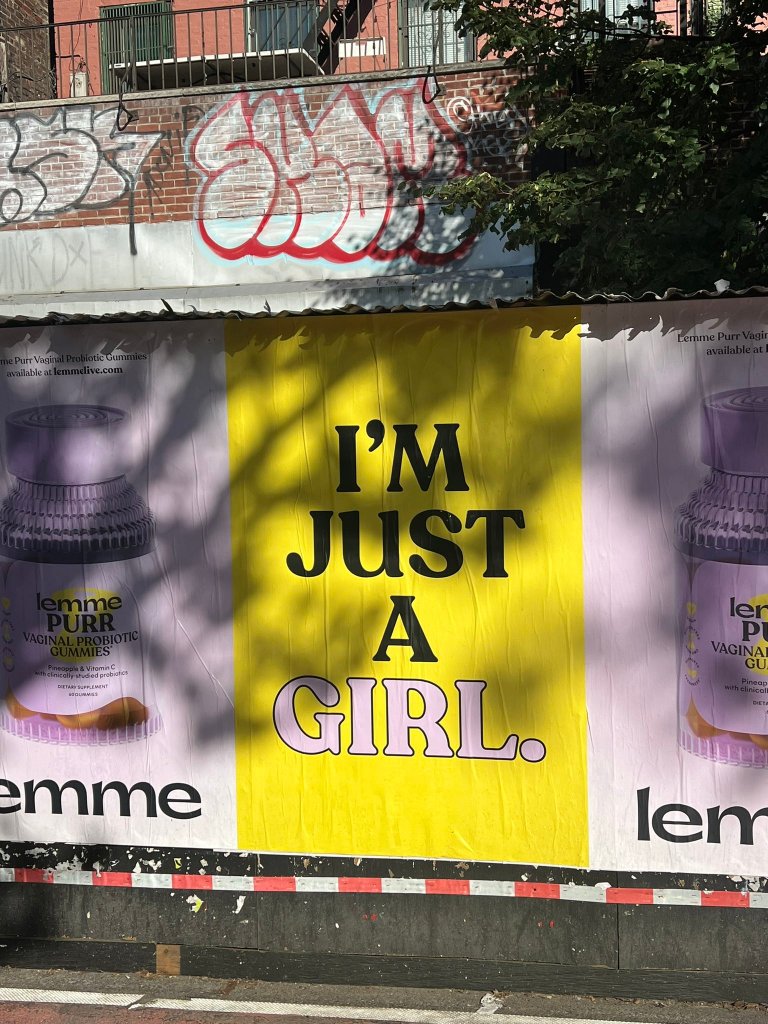
Which is why our outrage over thoughtless marketing like “It Ends With Us,” feels somewhat misdirected. We’re surprised that Blake Lively is out of touch?? And then we’re lambasting her for failing to properly address domestic violence, meanwhile, Chris Brown, who physically assaulted Rihanna and left her with visible injuries, continues to enjoy a thriving music career. This inconsistency in our collective moral outrage is telling. It’s not that Lively’s actions don’t warrant criticism. They do. But there are more substantial things about her approach that you could be annoyed with. And beyond that, there are certainly more deserving targets for our anger in the entertainment industry.
We’re quick to recognize the disconnect between us and the billionaire big tech bros that occupy the top of the list – like does anyone expect to relate to Elon Musk? But we often give a pass to Hollywood elite. This oversight is a critical error.
What’s wrong with multi-millionaire celebrities getting richer? Everything.
This endless accumulation occurs in a world where the richest 1% own nearly half of all global wealth. What are the long-term consequences when we allow such disparities to not only exist, but celebrate them? What does this reverence for excess say about our own values?
Why do we hesitate to criticize celebrities for hoarding more wealth than entire communities will see in generations? We need to reclaim the word ‘greed’ and apply it where it belongs. When a multi-millionaire launches yet another brand, that’s not ambition — it’s greed, plain and simple.
Instead of fixating on individual PR blunders, we should be questioning the system that allows — nay, encourages — celebrities to become increasingly detached from reality. And we’re totally complicit in that system. Celebrities who build their fame on relatability become progressively less relatable with each brand deal. And sooner or later, the public finds out and acts shocked – like their hard-earned dollars didn’t create this monster.
Until we’re ready to engage with these deeper issues, our annoyance (however well-intentioned) signifies nothing. Maybe this should end with us, but I know it probably won’t.
That scribbled note I found in a random bar in Hanoi wasn’t about wearing florals with the girls or Ryan Reynolds’ cheeky interviews. It was about someone finding the strength to leave a bad situation. Regardless of whether that decision was inspired by good art or bad art, I hope it sticks.
I’ve thought about it a lot as I wrote this essay because I really and truly hope that in all this noise about celebrity shenanigans and marketing mishaps, we don’t lose sight of the people who aren’t on magazine covers or red carpets, the random note-leavers who just trying to write better endings to their own stories.
 Unfinished Conversations
Leave a comment